SLCVO Weekly Round-Up 27th-31st October
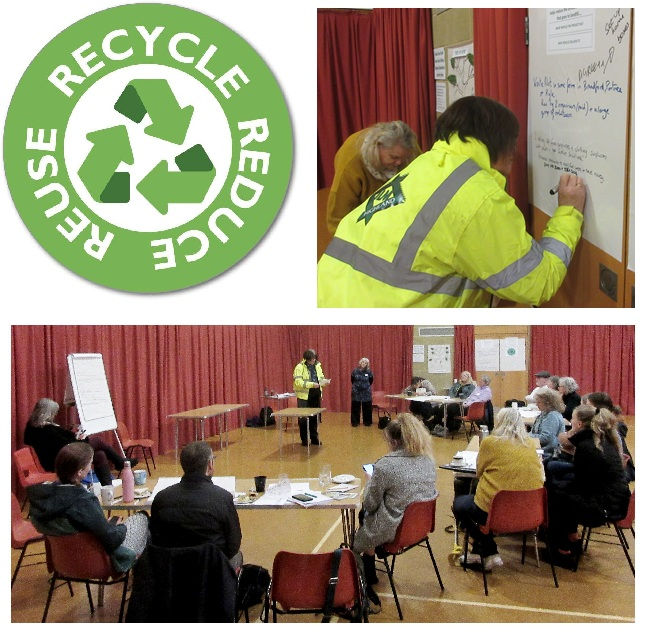
This week's blog, we look at the community-led sustainability at the Reduce, Reuse, Recycle event in Kyleakin, share key updates on identity verification requirements from Companies House, and offer practical governance advice for boards.
With AGM season underway, we also responded to common queries from local groups preparing for their meetings.
AGM Season: What Should Your Group Be Doing to Prepare?
This time of year is often a busy one for many community groups, with Annual General Meetings (AGMs) on the horizon. We've had a number of enquiries this week asking what groups should be doing to get ready.
The short answer is: it depends on your governing document. Your constitution or rules will outline specific requirements around notice periods, quorum, voting procedures, and reporting.
However, there are some simple guidelines that apply to most groups:
Set a date and notify members early
Prepare and share the agenda in advance
Ensure key reports (e.g. Chair’s and Treasurer’s) are ready
Check your quorum requirements
Plan for elections if needed
Take accurate minutes during the meeting
If you're unsure, it's always a good idea to review your governing document or seek advice. If you need help? Just get in touch with us at info@slcvo.org.uk
Important Update: Identity Verification with Companies House Starts 18 November 2025
Big changes are coming for anyone involved with a company registered at Companies House. From 18 November 2025, if you're a company director or a person with significant control (PSC), you'll be legally required to verify your identity.
This new requirement is part of wider reforms aimed at improving transparency, reducing fraud, and ensuring the integrity of the Companies House register.
Who must verify: All company directors and PSCs, including those newly appointed and those already in post.
When: New directors must verify their identity when incorporating a company or being appointed. Existing directors and PSCs must verify their identity within 12 months, typically when filing their next annual confirmation statement.
How: You can verify your identity online using the GOV.UK One Login service. Alternatively, you can use an Authorised Corporate Service Provider (ACSP), such as an accountant or solicitor.
What you’ll need: A valid photo ID (e.g. passport), and once verified, you’ll receive a personal code to link your identity to each company role you hold.
This process is designed to be quick and secure—most people will only need to verify once. The Companies House register will also be updated from 18 November to show due dates for each role, helping you stay on track.
Need Help? For a step-by-step guide, visit the Companies House blog: Making identity verification simple, secure and trusted.
Community Collaboration Sparks Ideas at Kyleakin’s Reduce, Reuse, Recycle Event
This week’s Reduce, Reuse and Recycle event in Kyleakin brought together just under 20 passionate individuals and representatives from a wide range of local organisations, including:
Highlands and Islands Climate Hub
Skye Climate Action
Kyle and Lochalsh Community Trust
Sleat Community Trust
Dunvegan Community Trust
Skye and Lochalsh Citizens Advice Bureau
ILM Highland
Rag Tag and Textile
The Selkie Collective
The Highland Council Waste Management Team
The afternoon kicked off with an insightful presentation from The Highland Council Waste Management Team, sparking lively discussion and fresh perspectives on waste reduction. With only three hours to work with, the group packed in a lot—mapping out existing local initiatives and exploring the energy and commitment already driving them forward.
Participants also tackled some of the tougher questions: What stops individuals from engaging more with waste reduction? And what challenges do Third Sector organisations face when trying to build sustainable, circular economy projects?
So, what’s next?
There was strong support in the room for SLCVO to take the lead in moving this work forward, in partnership with the Highlands and Islands Climate Hub. The first step? A full analysis of the ideas and input gathered during the event—coming next week
If you want to get involved email Michelle Seviour who is working with groups to take this work forward michelle.seviour@slcvo.org.uk
Strengthening Your Board: Key Principles for Good Governance
Running an effective board is about more than just meetings—it's about leadership, accountability, and making sure your organisation is well-equipped to serve its community. Here are some essential principles and practical tips to help your board thrive:
Clarity of Roles and Responsibilities - Every trustee or committee member should understand their legal duties. Clearly defining roles—such as Chair, Treasurer, Secretary, and general members—helps ensure everyone knows what’s expected of them and can contribute effectively.
Accountability and Transparency - Good governance means being open and honest. Keep accurate minutes of meetings, publish annual reports and financial statements, and engage regularly with your stakeholders and beneficiaries.
Strategic Leadership - Boards should look beyond day-to-day operations and focus on long-term planning. Tools like a SWOT analysis can help guide decision-making and keep your organisation on track.
Compliance and Risk Management - Stay compliant with by regularly reviewing key policies—such as safeguarding, data protection, and health & safety. Maintain a risk register and review it annually to stay ahead of potential issues.
Diversity and Inclusion - Aim for a board that reflects the diversity of the community you serve. Inclusive recruitment, proper induction, and ongoing training help create a welcoming and effective governance environment.
Effective Meetings - Plan ahead by setting agendas and circulating papers in advance. Use a mix of in-person and digital formats to improve accessibility, and keep meetings focused and action-oriented.
Practical Tips for Running a Board
Annual Board Calendar: Schedule meetings, AGMs, reviews, and training sessions.
Board Skills Audit: Identify gaps in expertise and recruit accordingly.
Succession Planning: Rotate roles and plan for leadership changes to avoid burnout.
Conflict of Interest Register: Keep it updated and review at each meeting.
Board Development: Invest in training, mentoring, and peer learning.
For more information visit:
OSCR Guidance for Charity Trustees
SCVO Governance Check-up Tool
Or contact us to arrange a board health check and training info@slcvo.org.uk
Comments